Understanding Crawl Space Repair in Columbus: Moisture, Structure, and Long-Term Solutions
Why Crawl Space Problems Demand More Than a Quick Fix
If you own a home in central Ohio, you already know that the local climate is a mixed bag. We get heavy spring rains, humid summers, and freeze-thaw cycles that test every part of a house. But the part that often gets overlooked until something goes wrong is the crawl space. That low, cramped area between your first floor and the ground is where water, humidity, and structural issues converge. Proper crawl space repair Columbus homeowners trust starts with understanding what is actually happening under there, not just slapping on a coat of sealant and hoping for the best.
I have worked on crawl spaces that were basically indoor ponds. Standing water, rotting wood, mold growing on the underside of the floor joists. The smell alone can make a house unlivable. But the real danger is structural. A wet crawl space can lead to sagging floors, cracked foundations, and even damage to the HVAC system that sits in that space. The good news is that most crawl space problems are fixable, provided you address the root causes and not just the symptoms.
What Makes a Crawl Space Wet
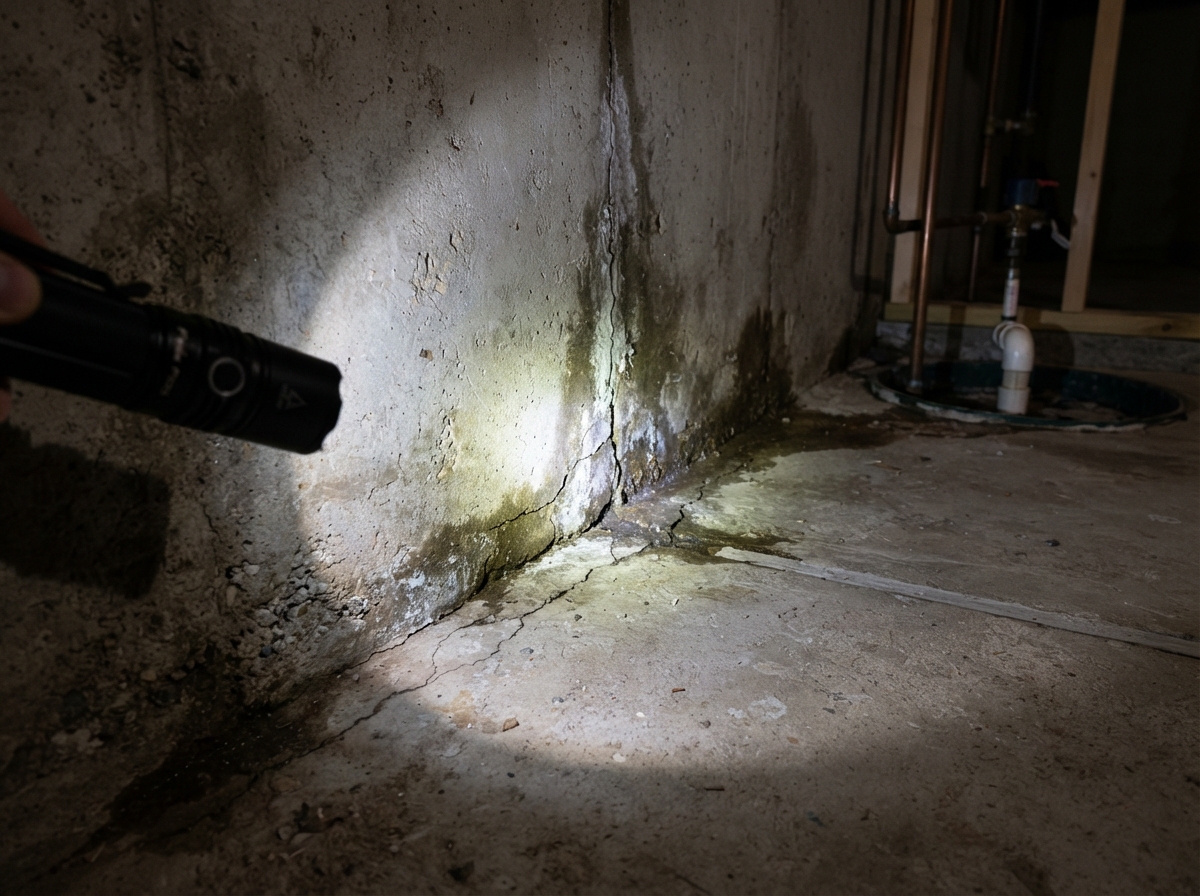
Water gets into a crawl space through several paths. The most common is through the foundation walls. If you have a concrete block or poured concrete foundation, hairline cracks can let in groundwater when the water table rises after heavy rain. Another path is through the floor itself. Many crawl spaces have a dirt floor or a thin concrete slab that is not sealed. Moisture wicks up from the soil and evaporates into the air, raising the humidity to levels that cause condensation on cool surfaces. That condensation then drips onto insulation, wood, and anything else stored down there.
Then there is the issue of poor drainage around the house. If your gutters are clogged or your downspouts dump water right against the foundation, you are essentially directing water toward your crawl space. A properly installed French drain can intercept that water and carry it away before it ever reaches the foundation. But not every house needs a full perimeter drain. Sometimes the fix is simpler: regrade the soil so it slopes away from the house, extend downspouts, and make sure the sump pump is working if you have one.
The Role of Encapsulation in Crawl Space Repair
Encapsulation is the process of sealing off the crawl space from the ground and the outside air. It typically involves laying a heavy-duty vapor barrier over the crawl space floor, sealing it to the foundation walls, and insulating the rim joists. A good encapsulation job stops moisture from entering through the floor and reduces the amount of humid air that can circulate. It also helps with energy efficiency because your floors stay warmer in winter and cooler in summer.
When I recommend crawl space repair Columbus homeowners consider encapsulation, I always emphasize that it is not a one-size-fits-all solution. If you have active water entry through foundation cracks, you need to fix those first. Sealing a vapor barrier over a wet floor just traps the moisture underneath, which can lead to mold growth and rot. So the sequence matters. First, stop the water entry. Then, encapsulate.
Products like those from OHM Seals and Basement Systems Inc have become popular for encapsulation because they are durable and engineered specifically for crawl spaces. They include reinforced polyethylene sheets, seam tapes, and termination bars that hold the barrier tight against the wall. Some systems also integrate a crawlspace vent fan that can pull stale, humid air out and bring in drier air from outside, which is especially useful in the summer months.
Foundation Crack Repair: A Critical First Step
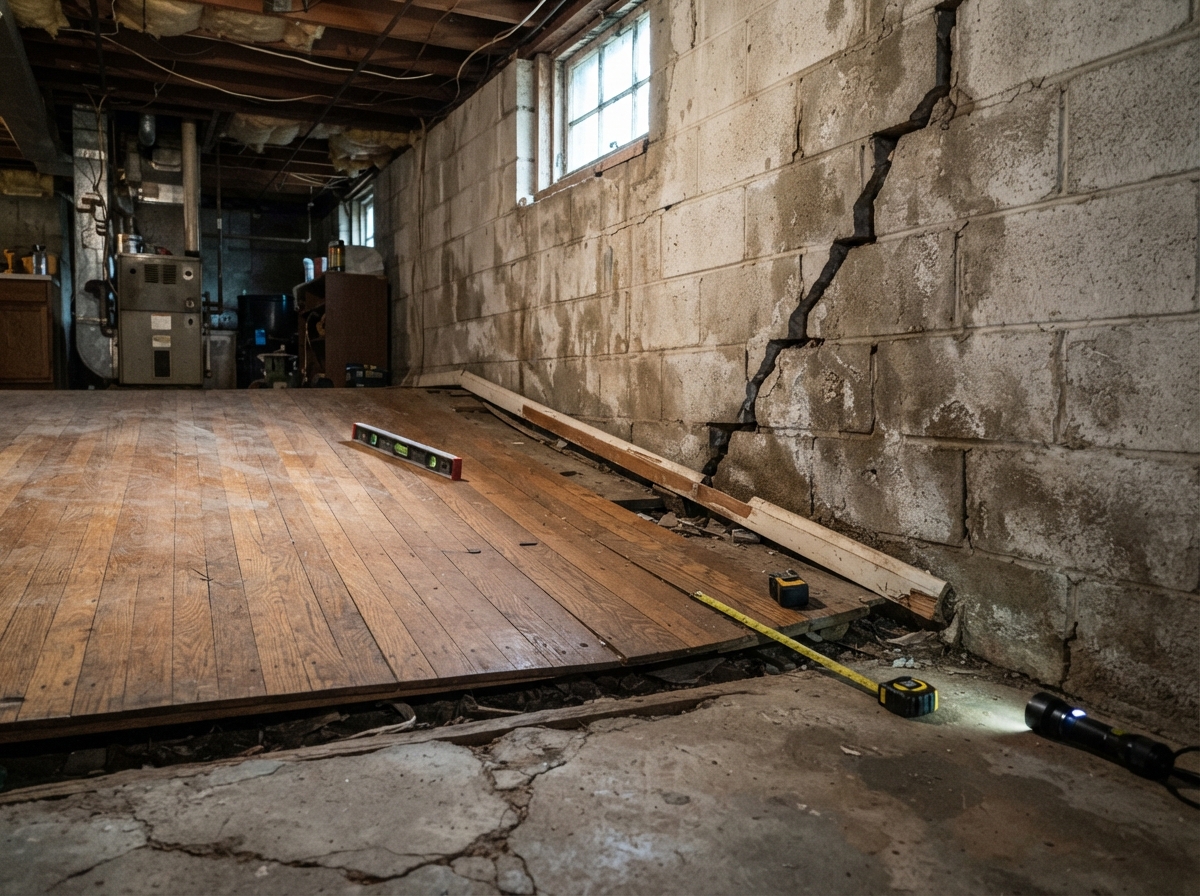
Before you can encapsulate or even think about a dehumidifier, you need to check the foundation for cracks. Foundation crack repair is not just about aesthetics. A crack that is one-eighth of an inch wide can let in gallons of water per hour during a heavy storm. There are several ways to seal cracks, but the method I have had the best results with is injecting low-viscosity polyurethane foam into the crack under pressure. The foam expands as it cures, filling the entire crack from the inside out. It is flexible enough to handle minor foundation movement and bonds well to damp concrete.
I have also used Koster Waterproofing Systems for more demanding situations, such as cracks that are actively leaking water. Their products are cement-based and can be applied in a wet environment, which is not something you can say about every sealant. For hairline cracks that are not actively leaking, RadonSeal is a good choice because it penetrates deep into the concrete and reacts with the lime to form crystals that permanently block the pores.
If you are dealing with a large crack or a structural issue like a bowing wall, you need to bring in a structural engineer to assess the load. Do not try to fix a failing foundation wall with crack injection alone. That is a job for helical piers or carbon fiber straps, not a tube of caulk.

Mold Remediation and Air Quality
A damp crawl space is a perfect environment for mold. Mold spores can travel from the crawl space into the living areas of your home through gaps in the floor, ductwork, and even through the soffit area where the floor meets the exterior wall. Mold Remediation is not something you want to DIY if you have a large infestation. Disturbing mold without proper containment can spread spores throughout the house. Professional remediation usually involves HEPA vacuuming, antimicrobial treatments, and sometimes removal of contaminated insulation or wood.
Once the mold is gone, you need to keep the humidity low. A dehumidifier can help, but it is a band-aid if you have not sealed the moisture sources first. A dehumidifier in an open crawl space with a dirt floor runs constantly and drives up your electric bill. Combine encapsulation with a dehumidifier and you have a much more effective system. Some homeowners also install a crawl space vent fan that is controlled by a humidistat. When the humidity inside the crawl space rises above a set point, the fan turns on and exhausts the humid air to the outside.
Getting the Work Done Right in Columbus
If you are planning crawl space repair Columbus homeowners should know that local codes matter. The City of Columbus building code has specific requirements for crawl space ventilation and access. You typically need at least one access opening that is large enough to get equipment in and out. There are also rules about how close electrical outlets and lights can be to the vapor barrier. If you are doing the work yourself, make sure you pull the proper permits. If you are hiring a contractor, ask if they are familiar with local codes and if they have worked with the Ohio EPA on any drainage issues.
One thing I have learned the hard way is that not all crawl space companies are created equal. Some will come in, spray some paint on the floor, and call it waterproofing. That is not a solution. Real crawl space repair involves diagnosing the problem, fixing the water entry points, encapsulating the space, and managing the air quality. Look for a company that uses proven systems like SaniDry dehumidifiers and vapor barriers from Basement Systems Inc. These are not cheap, but they work.
When to Call a Professional
Some crawl space repairs are within reach of a determined homeowner. Cleaning gutters, extending downspouts, and even installing a vapor barrier on a dry crawl space are doable projects. But if you have standing water, foundation cracks, or mold, it is time to call someone who does this every day. A professional waterproofing contractor will have the tools and materials to do the job efficiently. They can also spot issues you might miss, like a sump pump that is undersized for your water table or a French drain that is clogged with silt.
I have seen too many homeowners spend money on a dehumidifier and a crawl space vent fan only to find that the water is still coming in through an unsealed crack. That is like putting a fan in a room with a broken window and wondering why it is still cold. Fix the window first. In this case, fix the water entry first. Then worry about the air quality.
Long-Term Maintenance
After you have completed your crawl space repair, do not just walk away and forget about it. Check the vapor barrier every year for punctures or tears. Make sure the sump pump discharge line is not frozen or blocked. Clean the French drain inlet if you have one. Test the dehumidifier and crawl space vent fan before the rainy season starts. A little bit of annual maintenance can extend the life of your crawl space system by years.
And if you ever notice a musty smell in your home, do not ignore it. That smell is your crawl space trying to tell you something. The sooner you investigate, the cheaper the fix will be. Crawl space problems do not get better on their own. They only get worse.